

25 History Riddles With Answers (Easy to Hard)
Test your knowledge with 25 history riddles with answers, from easy riddles for kids to hard brain teasers about ancient wonders, inventions and famous people.

Test your knowledge with 25 history riddles with answers, from easy riddles for kids to hard brain teasers about ancient wonders, inventions and famous people.

Weird, fun and surprising facts about humans as a species: how we think, laugh, sleep, speak and evolved. 40 true facts about humans, each briefly explained.
40 Interesting Facts About Humans Most People Don’t Know Read More »
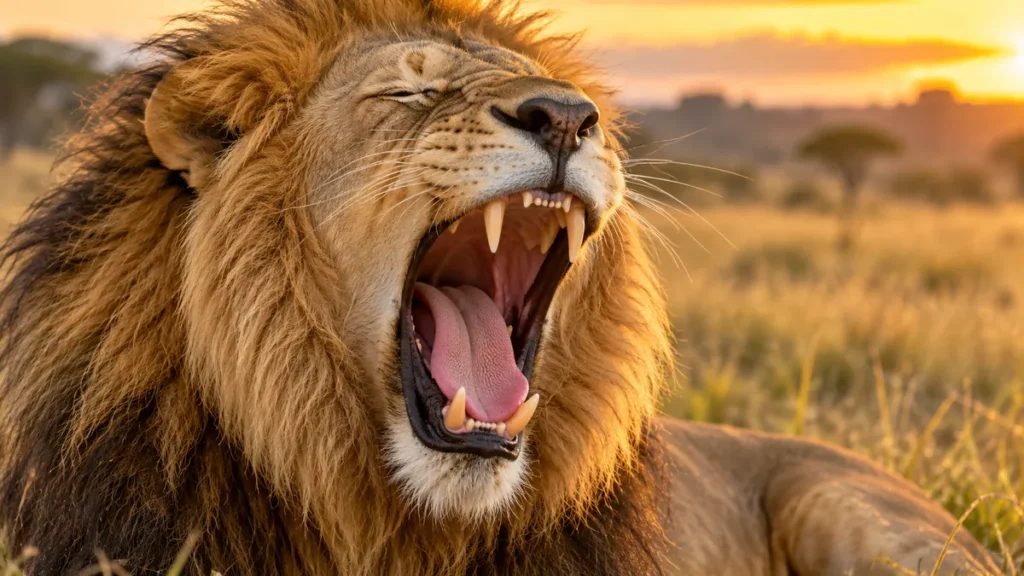
Almost all vertebrates yawn, from dogs and lions to birds, snakes and fish. What yawning does for animals, and why some species catch yawns from each other.
Why Do Animals Yawn? Dogs, Cats, Birds and Even Fish Read More »
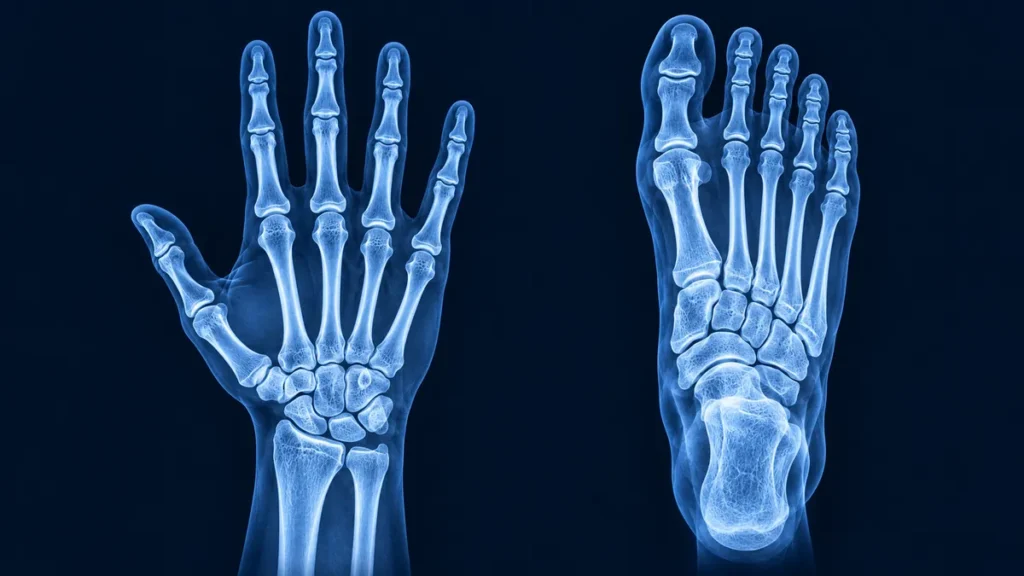
Your hands and feet hold 106 of your 206 bones, more than half your skeleton. See the bone count for every body region and why hands and feet need so many.

If ice sank, lakes would freeze from the bottom up and much aquatic life could not survive winter. Why floating ice matters, and which other solids float.
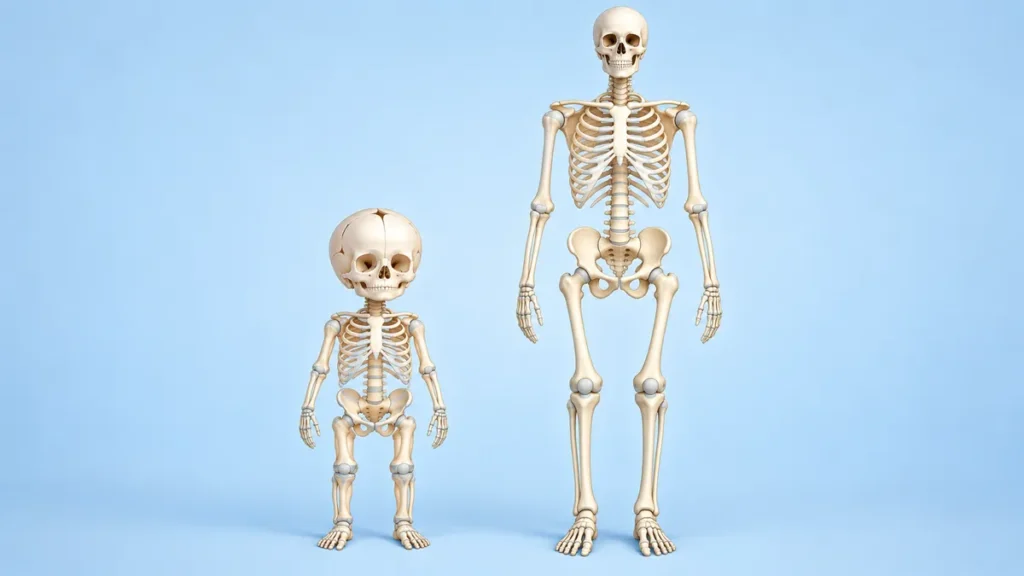
Babies are born with about 270 to 300 bones and cartilage pieces. Learn how and when they fuse into the 206 bones of an adult, from soft spots to growth plates.
How Many Bones Are Babies Born With? (And Why Adults Have 206) Read More »

When European naturalists first encountered a platypus specimen in 1799, they suspected a hoax. The dried skin sent back to England appeared to be a beaver’s body with a duck’s bill sewn on. Scottish scientist George Shaw examined it carefully and still published a description of it, though he noted in his scientific paper that
Platypus Facts: 15 Things That Break the Rules of Biology Read More »
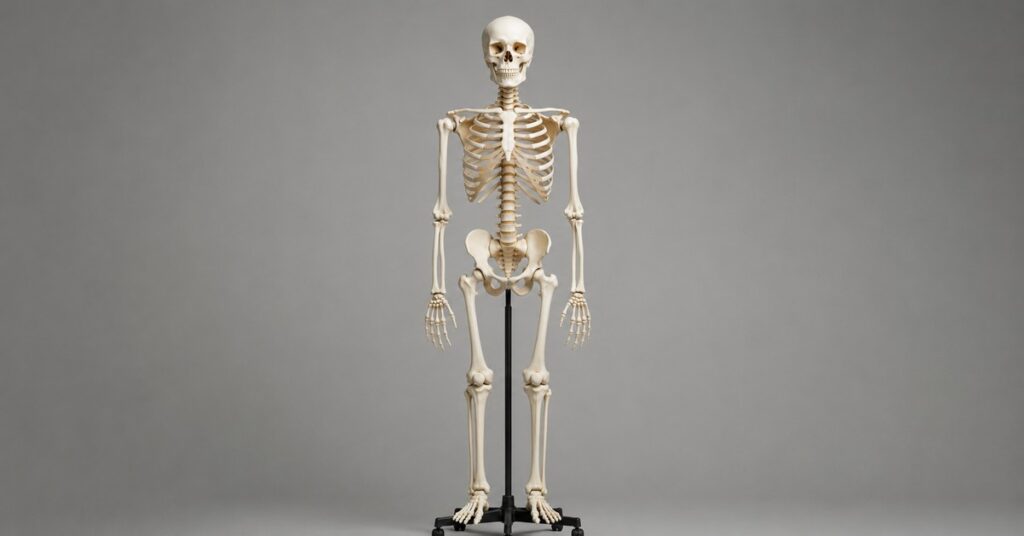
Quick answer: An adult human body has 206 bones. Babies are born with about 270 to 300 bones and cartilage pieces that fuse together as they grow. More than half of the adult total (106 bones) are in the hands and feet. The smallest bone is the stapes in the middle ear, and the largest
How Many Bones Are in the Human Body? The Full Answer Read More »

Quick answer: No one knows for certain, but the leading scientific theory is that yawning helps cool the brain: the deep breath and wide jaw stretch increase blood flow to the head. Yawning also seems to help the body switch between states, such as from sleepy to alert, and it is contagious, possibly because of
Why Do We Yawn? The Science Behind Yawning Explained Read More »
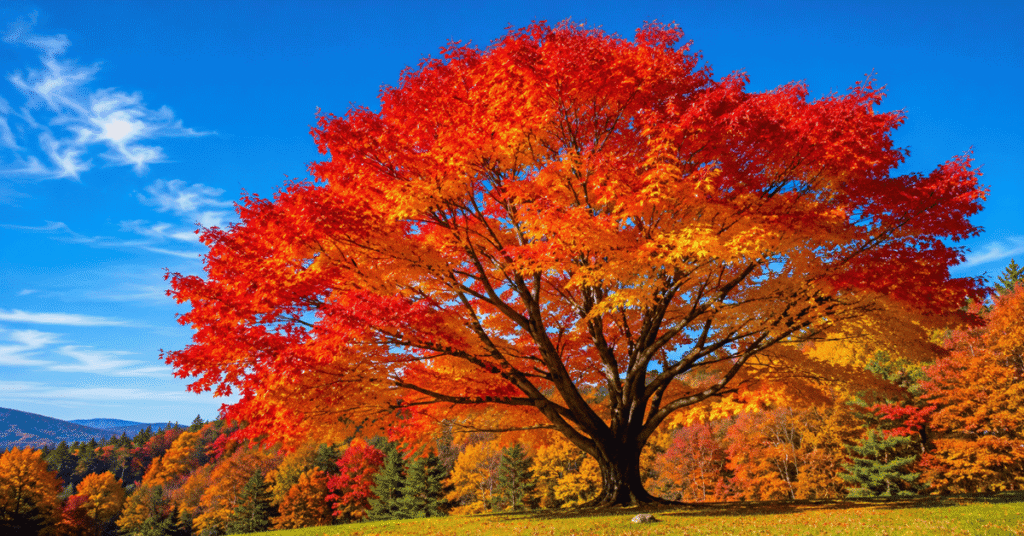
Quick answer: Leaves change color in autumn because trees stop making chlorophyll, the green pigment, as days get shorter and cooler. As the chlorophyll breaks down, yellow and orange carotenoid pigments that were in the leaf all along become visible. Some trees also make new red and purple anthocyanin pigments from sugars trapped in the
Why Do Leaves Change Color? The Science Behind Fall Foliage Read More »