
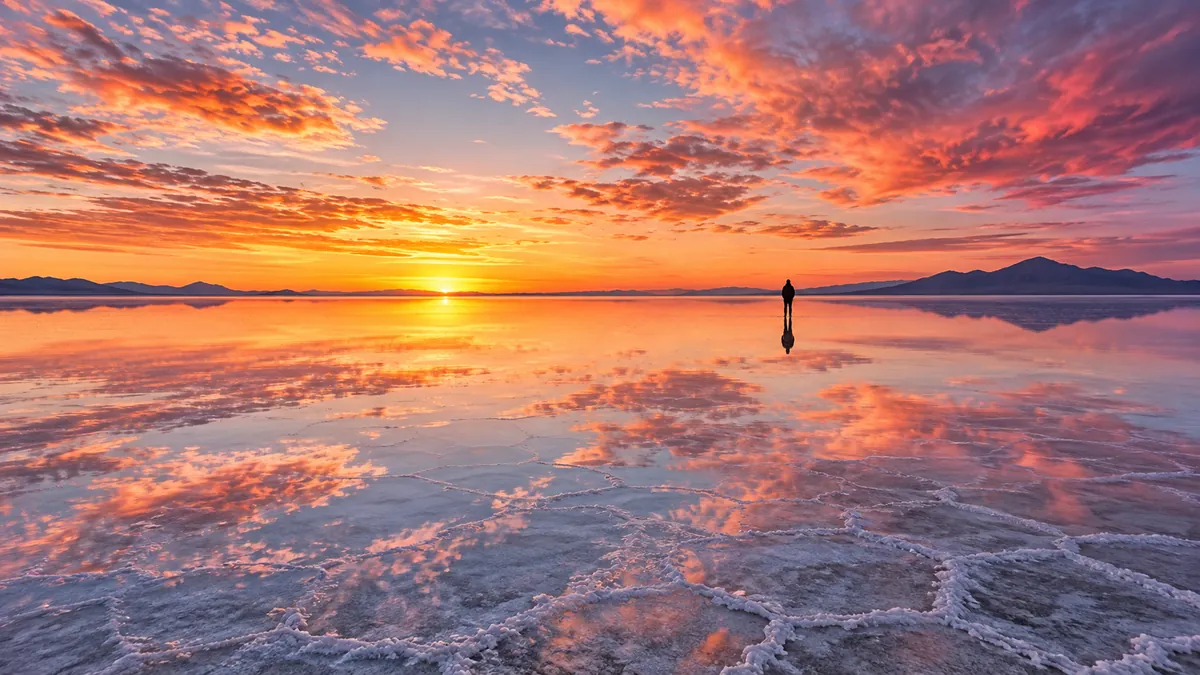
Quick answer: Natural phenomena are observable events or features produced by nature rather than by people. A natural phenomenon can be any observable event or feature produced by nature rather than by people, such as auroras, lightning, waterfalls, glowing animals, tides and volcanic eruptions. Some of the most awe-inspiring examples are Australia’s pink lakes, Bolivia’s mirror-like Salar de Uyuni, New Zealand’s Waitomo glowworm caves, the Aurora Australis and Venezuela’s Catatumbo lightning, which flashes on up to about 160 nights a year.
Nature regularly produces sights that look impossible: water that turns pink, skies that glow green, caves lit by living stars. Each one has a scientific explanation, and knowing how they work makes them even more impressive. Here are the main types of natural phenomena, followed by 10 extraordinary examples.
Types of natural phenomena
| Type | Examples | Read more |
|---|---|---|
| Weather and atmospheric | Lightning, tornadoes, fire whirls, halos | Strange weather phenomena |
| Light and optical | Auroras, rainbows, sundogs, mirages | Natural light phenomena |
| Geological | Volcanoes, earthquakes, canyons, karst landscapes | Geological wonders |
| Water | Waterfalls, tides, icebergs, fjords | Why is the ocean salty? |
| Biological | Bioluminescence, migration, autumn colors | Animal migration |
| Astronomical | Eclipses, meteor showers, twinkling stars | Why do stars twinkle? |
1. Pink lakes, Australia
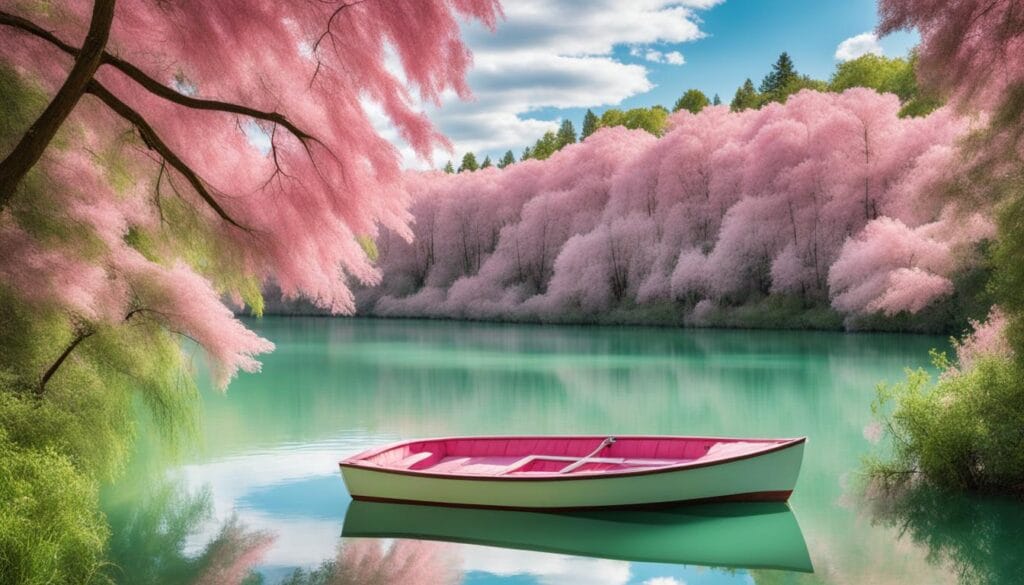
Lakes such as Hutt Lagoon in Western Australia turn shades of pink because of the salt-loving alga Dunaliella salina, which produces beta-carotene, the same orange-red pigment found in carrots, to protect itself from strong sunlight. The color is strongest on sunny days with high salt levels. The most famous example, Lake Hillier, is covered in our hidden wonders of the world.
2. Iguazu Falls, Argentina and Brazil
Iguazu is a system of about 275 individual waterfalls spread along nearly 3 km of the Iguazu River. It formed where the river flows over the edge of thick layers of ancient volcanic basalt. Its most dramatic section, the U-shaped Devil’s Throat, plunges around 80 m.

3. Victoria Falls, Zambia and Zimbabwe
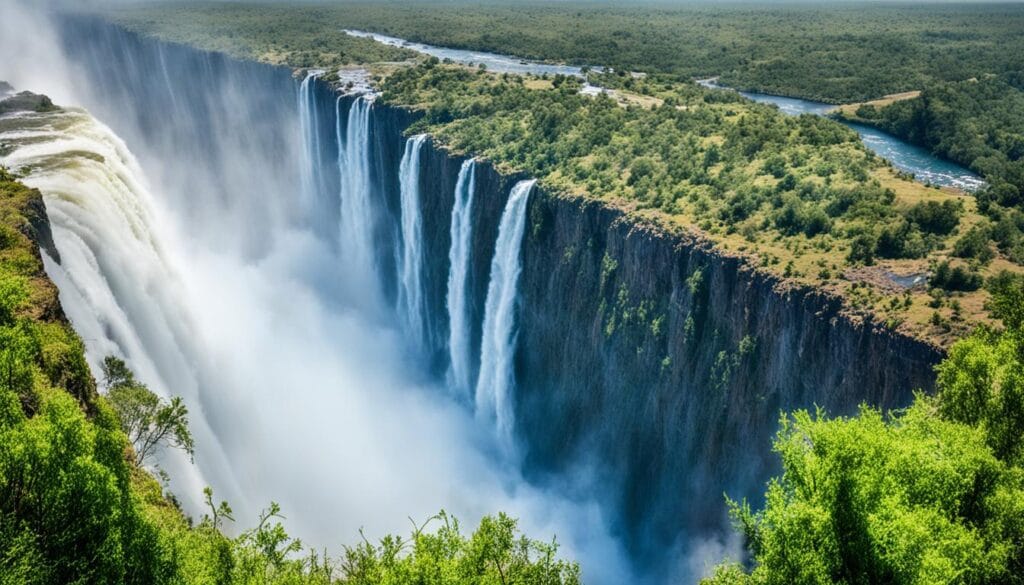
Known locally as Mosi-oa-Tunya, “the smoke that thunders”, Victoria Falls is about 1.7 km wide and over 100 m high, making it one of the largest sheets of falling water in the world. In the wet season, its spray can be seen from many kilometers away.
4. Salar de Uyuni, Bolivia
The world’s largest salt flat covers more than 10,000 square kilometers. In the rainy season, roughly December to April, a thin layer of water turns it into a giant mirror reflecting the sky. It also sits on one of the world’s largest lithium reserves.

5. Waitomo Glowworm Caves, New Zealand
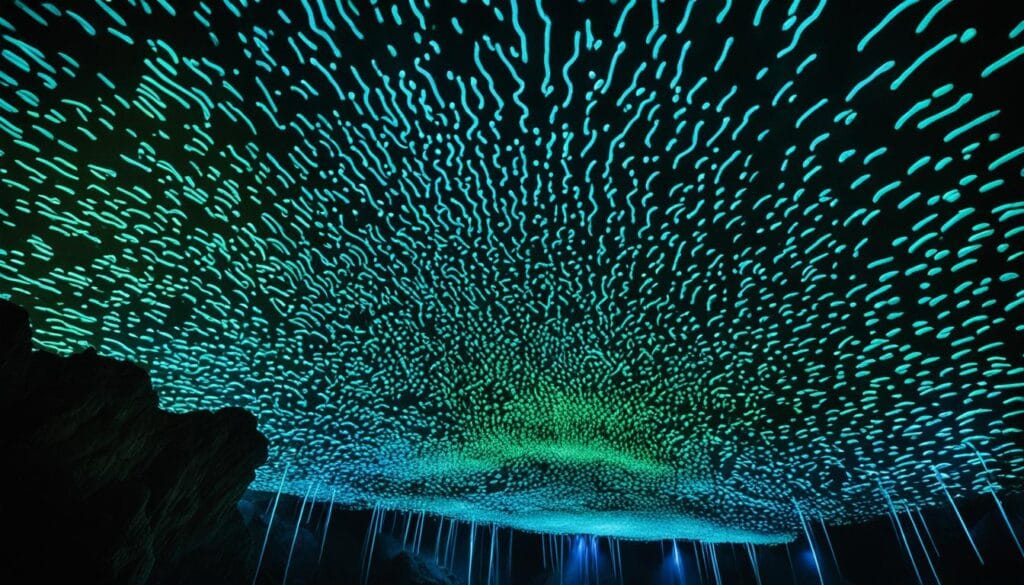
The ceilings of these caves glitter with thousands of blue-green lights. They are the larvae of a fungus gnat, Arachnocampa luminosa, which glow to lure insects into sticky silk threads that hang down like fishing lines. It is one of many forms of bioluminescence in nature (see bioluminescent bays).
6. Iceberg Alley, Canada
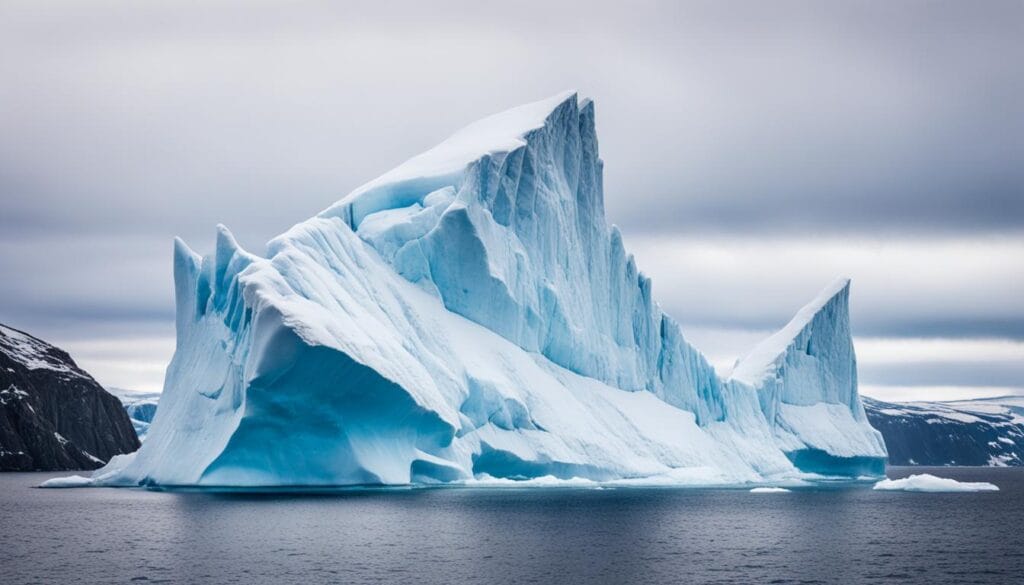
Every spring and early summer, icebergs drift south past the coast of Newfoundland and Labrador. Most broke off glaciers in western Greenland, and their ice can be more than 10,000 years old. Late May and June are usually the best months to see them.
7. Geirangerfjord, Norway
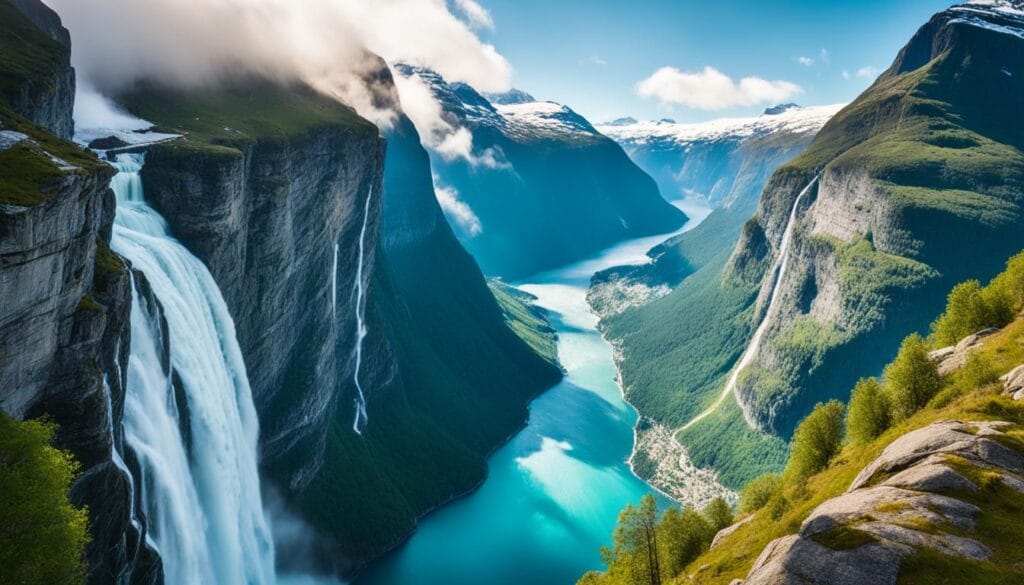
Fjords are deep, narrow sea inlets carved by glaciers during ice ages. Geirangerfjord, a UNESCO World Heritage Site, is lined with cliffs and famous waterfalls such as the Seven Sisters, which tumble straight into the water.
8. Aurora Australis (the Southern Lights)
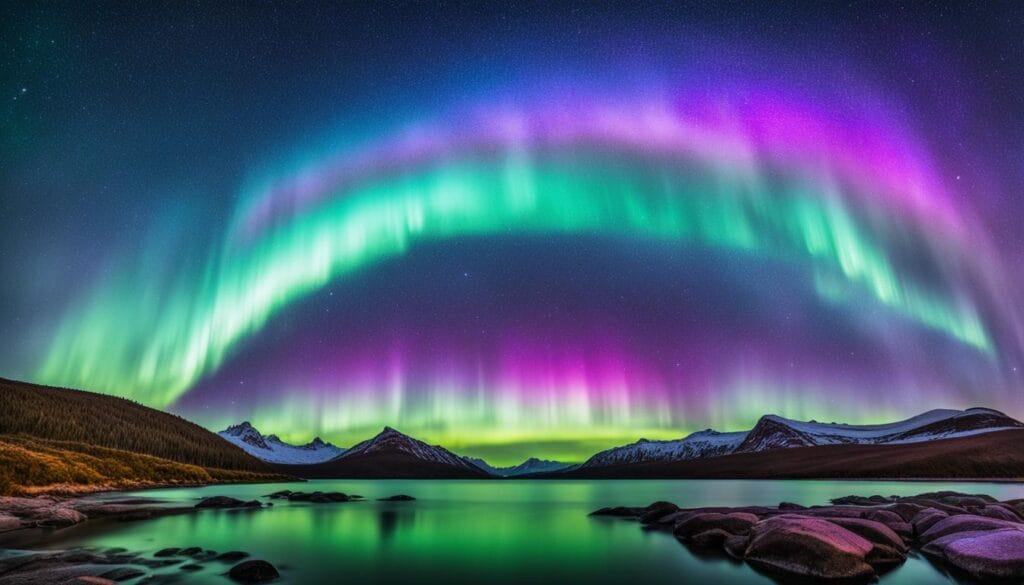
Auroras happen when charged particles from the Sun hit Earth’s magnetic field and are funneled toward the poles, where they collide with oxygen and nitrogen in the upper atmosphere. Oxygen gives off green and red light; nitrogen produces blue and purple. In the Southern Hemisphere, Tasmania, southern New Zealand and Antarctica are the best places to see it.
9. Ha Long Bay, Vietnam
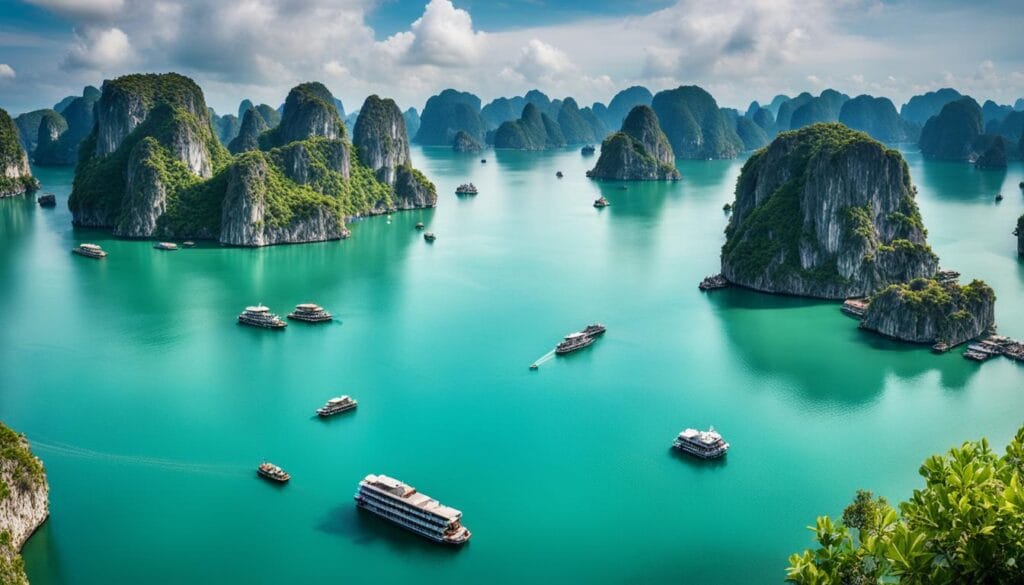
About 1,600 limestone islands and islets rise from the emerald water of Ha Long Bay. Rainwater slowly dissolved the limestone over millions of years, creating towers, caves and arches in a landscape known as karst. UNESCO lists it as a World Heritage Site.
10. Catatumbo lightning, Venezuela
Where the Catatumbo River meets Lake Maracaibo, thunderstorms form on up to around 140 to 160 nights a year, sometimes producing more than 20 flashes a minute. Warm, moist air from the lake meets cool winds from the surrounding mountains, creating ideal storm conditions. Guinness World Records has named it the place with the highest concentration of lightning on Earth.
Frequently asked questions
What is a natural phenomenon?
A natural phenomenon is any event or feature in nature that is not caused by humans and can be observed, such as weather, light effects, geological activity or animal behavior.
What are 5 examples of natural phenomena?
Lightning, rainbows, auroras, volcanic eruptions and ocean tides are common examples.
What is the rarest natural phenomenon?
Some of the rarest include ball lightning, moonbows (rainbows made by moonlight) and the green flash at sunset.
Why do some lakes turn pink?
Salt-loving algae and bacteria produce red and pink pigments that tint the water, especially in very salty, sunny conditions.
What causes the Southern Lights?
Charged particles from the Sun collide with gases in Earth’s upper atmosphere near the South Pole, making them glow.
Related articles
- Natural light phenomena
- Strange weather phenomena
- 10 geological wonders
- Bioluminescent bays
- Hidden wonders of the world
Sources
- UNESCO World Heritage List: Iguazu National Park. whc.unesco.org/en/list/303
- UNESCO World Heritage List: Mosi-oa-Tunya / Victoria Falls. whc.unesco.org/en/list/509
- UNESCO World Heritage List: Ha Long Bay; West Norwegian Fjords.
- NOAA Space Weather Prediction Center: “Aurora”. swpc.noaa.gov
- Albrecht, R. I. et al. (2016). “Where are the lightning hotspots on Earth?” Bulletin of the American Meteorological Society.